




Mitigation means one thing: keeping the damage from getting any bigger. Do not confuse it with rebuilding. Think of it as all the protective work that comes first, aimed at saving what remains sound. For Apopka homes, that means we stop the source, pull the water out, seal off wet areas and get the structure stable. Good mitigation makes the later repair smaller, and now and then makes it unnecessary.
People often use mitigation and restoration to mean the same thing. Each is its own phase of the job. During mitigation, the urgent part, the loss is halted, its spread is limited and the home is made stable. Restoration is what comes after: drying is confirmed, and damaged drywall, flooring and finishes are repaired or rebuilt. Insurers treat them as separate line items too, so it helps to know which phase you are in.
Four tasks make up most mitigation visits. One: control the source and cut off any new water. Second is extraction, to clear out standing water. Third is containment, where controlled airflow and plastic barriers keep contaminants and moisture away from clean rooms. Stabilization, which means removing materials that cannot be saved, treating surfaces with antimicrobial, and setting air movers and dehumidifiers. We also protect furniture and belongings by moving or blocking them up.
Water Damage Mitigation Prevention Tips
A little prevention goes a long way in avoiding expensive restoration emergencies. Follow these tips from our IICRC-certified technicians:
- Slope the soil away from the house so rainwater does not pool against the walls.
- In cold months, a heated house protects pipes from freezing, even while you travel.
- Trade rubber washer hoses for braided steel, and renew them roughly every five years.
- Have an automatic shutoff fitted, so the main closes itself once a leak is sensed.
- Roof penetrations, door frames and window edges should be sealed ahead of the next big storm.
- Once a month, look beneath sinks and near toilets for stains, drips or soft spots in the floor.
Ready to Solve Your Water Damage Mitigation Problem?
Our IICRC-certified technicians are standing by to help.
Call (650) 523-3835 NowHow to Tell You Need Water Damage Mitigation
Catching these issues early helps you avoid costly problems and protect your property. Here are the most common indicators that it's time to call a professional:
- Bathroom or kitchen cabinets are sitting over water that cannot be reached to dry.
- Water is moving from one room into the next along the flooring.
- The leak is fixed, yet cabinets, walls or flooring remain wet.
- Underfoot the carpet is spongy because the padding below holds water.
- Following a water loss, indoor air stays damp and condensation forms on the glass.
- A roof or window opening is letting rain into the building.
- Plumbing repairs are done, but no one has addressed what got wet.
Act Before It Gets Worse
What seems like a minor issue today can turn into a major expense tomorrow. If you notice any of these signs, contact Apopka Restoration at (650) 523-3835 for a prompt evaluation.
Should You DIY or Call a Pro?
Some simple tasks are suitable for DIY, but most water damage work benefits from professional tools, training, and experience. Here's a comparison:
| Factor | DIY Approach | Professional Service |
|---|---|---|
| Source control | Shut the valve and hope | We prove the source is controlled |
| Contaminated water | Wiping obvious spots with bleach | Category-specific antimicrobial applied |
| Proof for insurer | A few phone photos | Photos plus moisture readings each day |
| Containment | Closed doors and towels | Airflow control behind sealed plastic |
| What stays or goes | Judging by look and feel | Readings decide what stays or goes |
The Benefits of Professional Water Damage Mitigation
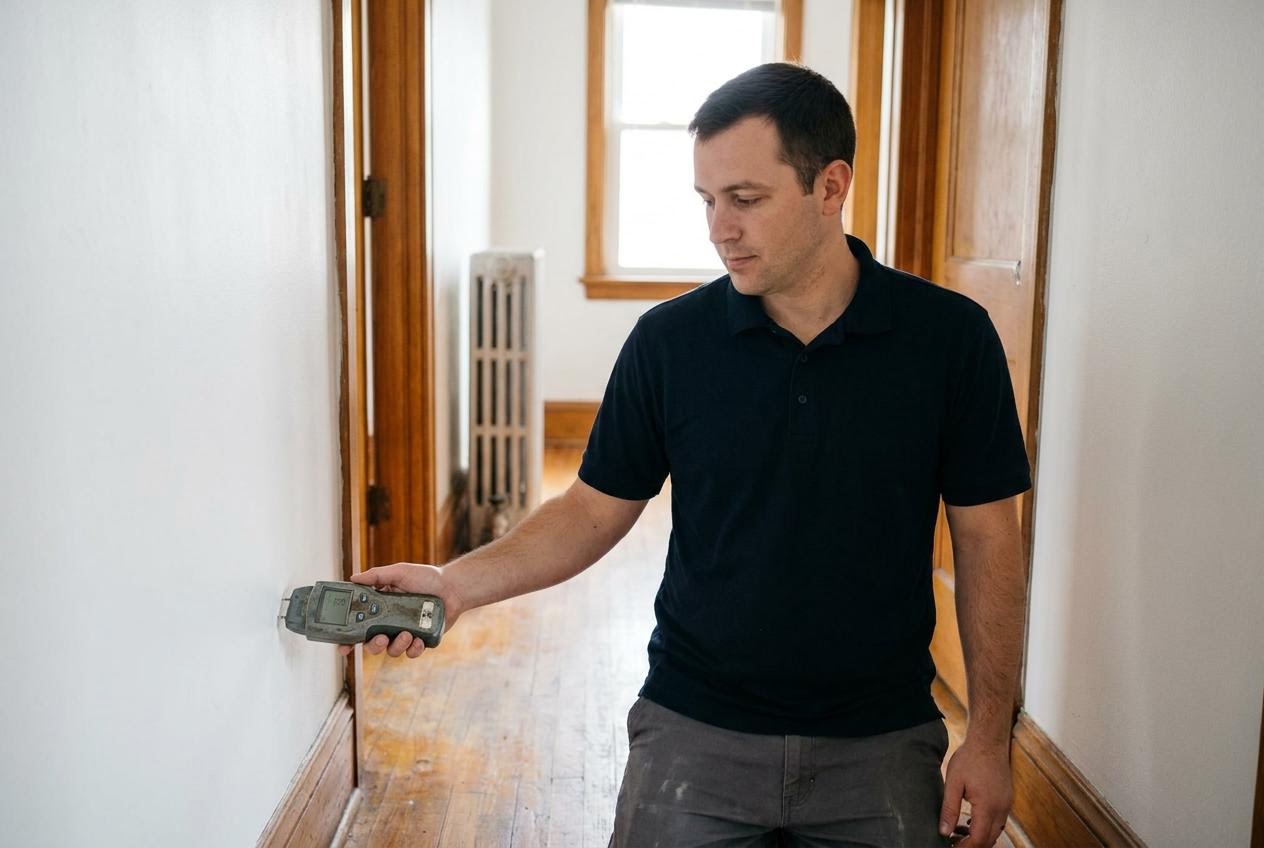
Fast decisions, one after another, are what mitigation consists of. What drywall stays and dries where it is, and what must be removed? Is the water Category 1, 2 or 3, and has it changed since the leak began? Does the cabinet toe kick need to come off? We answer those questions with training and moisture readings rather than by the look or feel of a surface.
There is a claim-related reason to do mitigation right as well. Under most policies you must act reasonably to keep the damage from growing, with proof that you did. On arrival we take photos, then log moisture readings every day and itemize whatever is removed. The result is a file documenting both the damage and the steps taken. It also gives the repair contractor a clear starting point, with no wet surprises behind new drywall.
Questions About Water Damage Mitigation?
We provide honest advice and free estimates on all water damage mitigation work.
Call (650) 523-3835 TodayWater Damage Mitigation, Step by Step
Our systematic approach delivers quality results on every project. Here's what you can expect when you choose Apopka Restoration:
Control the Source
The supply gets shut off, the broken line capped, or the opening letting water in tarped and boarded. When the permanent repair calls for a roofer or plumber, we help schedule it.
Extract the Water
We extract standing water using pumps and extraction units, then check carpet and its padding. Fast removal of bulk water limits damage more than drying equipment could by itself.
Contain Wet Areas
Plastic barriers and controlled airflow separate wet rooms from dry ones. This keeps humidity, dust and any contaminants from travelling through the house while work is under way.
Stabilize and Dry
Materials past saving come out, an antimicrobial is applied to surfaces, and air movers plus dehumidifiers go in. We log moisture readings each visit until the structure is ready for repairs, usually within 3 to 5 days.
Water Damage Mitigation FAQ
Schedule Your Water Damage Mitigation Service
Don't let water damage problems get worse. Call Apopka Restoration now for prompt, professional service.
Call (650) 523-3835 Now